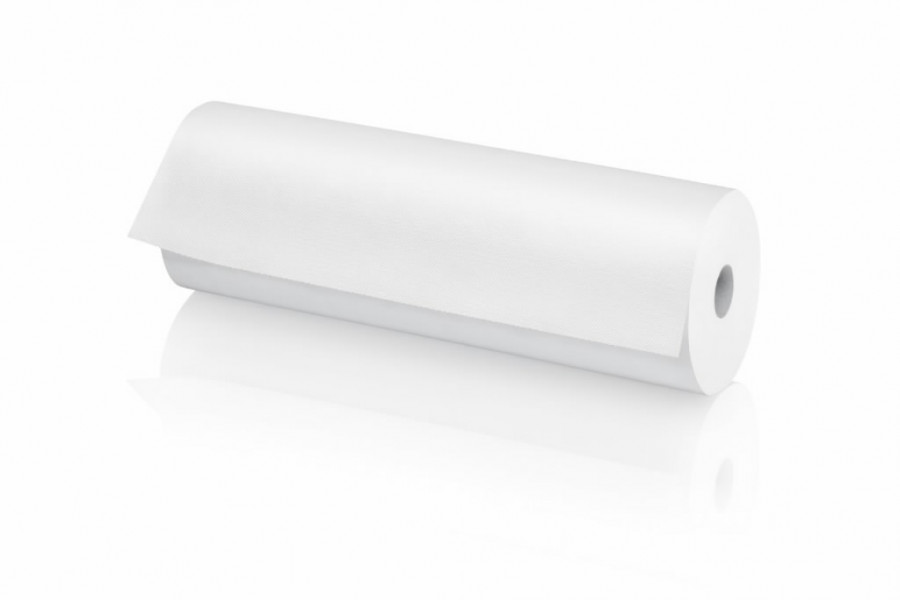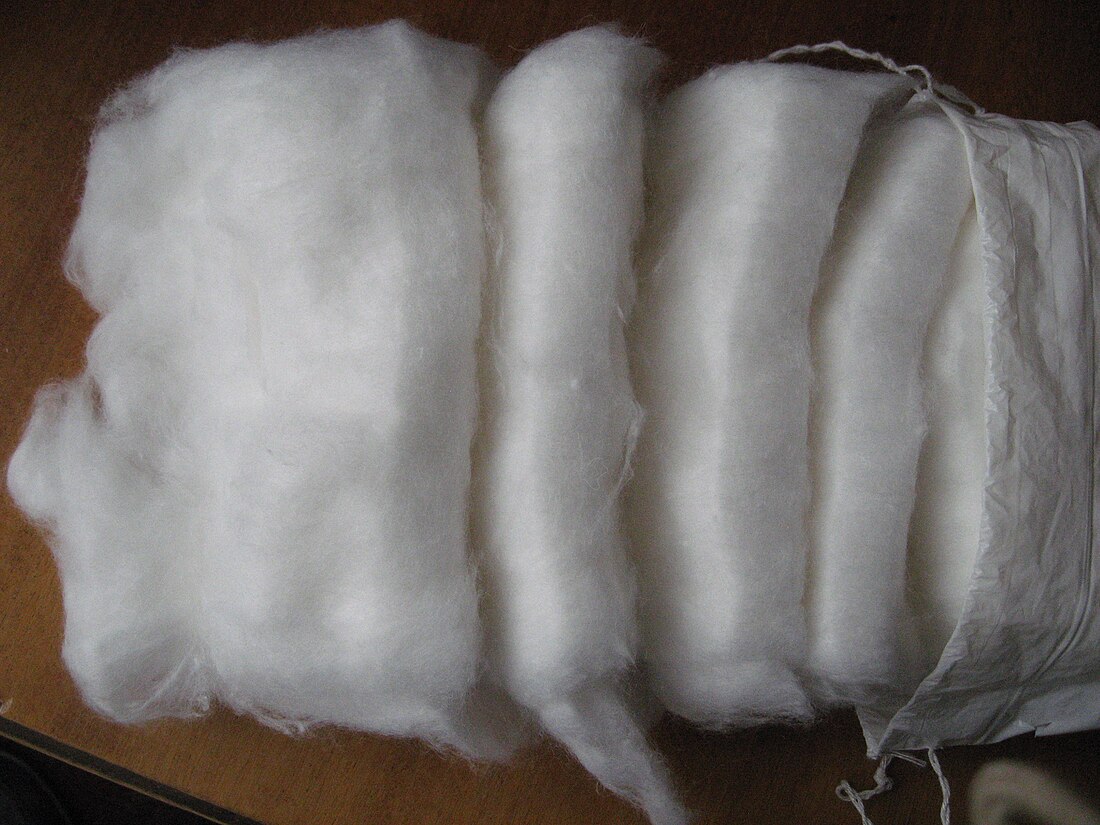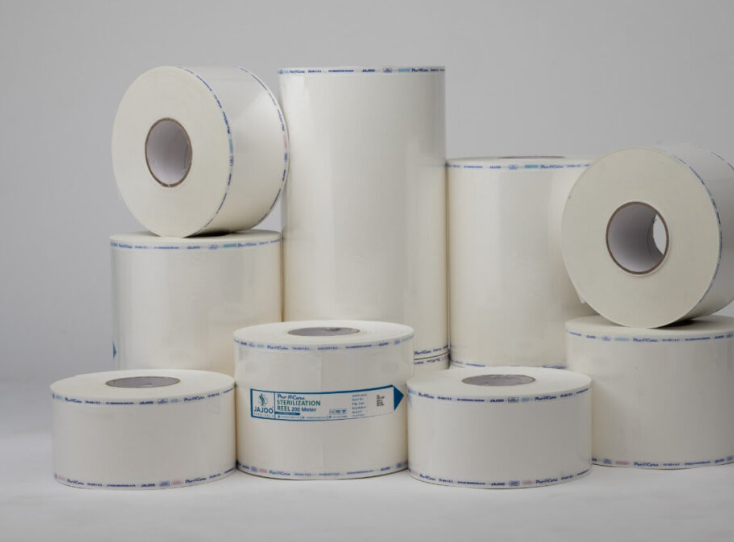

Cotton is one of the most versatile materials in medical, hygiene, and personal care applications. In healthcare settings, choosing the right type of cotton can have a significant impact on wound care, absorption, and patient comfort. Two commonly used forms are the absorbent cotton roll and regular cotton pads or rolls. While both serve similar purposes, understanding their differences in composition, absorbency, and applications is critical for healthcare professionals, caregivers, and manufacturers.
1. What is the Difference Between Medical Absorbent Cotton and a Cotton Pad?
Medical absorbent cotton and regular cotton pads may appear similar but are fundamentally different in structure and performance. Absorbent cotton wool is specifically processed to maximize absorbency, making it ideal for dressing wounds, absorbing fluids, and providing cushioning in surgical and hygiene applications.
In contrast, standard cotton pads or rolls are less processed and may not provide the same level of fluid absorption. They are commonly used for cosmetic applications, cleaning, or light medical tasks where high absorbency is not required. The distinction between Absorbent Cotton Roll manufacturer products and general cotton ensures that medical professionals can choose the most suitable material for specific procedures.
2. Introduction to Cotton and Absorbent Cotton
Cotton has been used for centuries as a natural, soft, and breathable material. In medical applications, its absorbent nature and hypoallergenic properties make it indispensable. Absorbent cotton rolls are specially manufactured to retain fluids, maintain sterility, and provide comfort when used on wounds or for hygiene purposes.
Regular cotton, while still soft and natural, lacks the enhanced processing of absorbent cotton, meaning it may not hold fluids as effectively. This fundamental difference in performance explains why medical professionals prefer absorbent varieties in healthcare settings.
3. Production Processes
The production of absorbent cotton rolls involves several specialized steps to increase purity and absorption:
- Purification: Raw cotton is cleaned to remove seeds, impurities, and waxes.
- Carding: Fibers are aligned to create a smooth, uniform texture.
- Bleaching and Sterilization: Chemical or steam processes ensure the cotton is free of contaminants and safe for medical use.
- Rolling and Packaging: Cotton is formed into rolls with consistent density and absorbency, ready for medical and hygiene applications.
Regular cotton production is simpler and may not include advanced sterilization or specific alignment processes. As a result, it is less suitable for high-fluid applications but remains effective for general cleaning, cosmetic use, or non-critical medical procedures.
4. Composition and Structure
Absorbent cotton rolls are composed of long, soft fibers carefully processed to enhance fluid retention. The fibers are loosely interlaced to create spaces for liquid absorption while maintaining structural integrity.
Non-medical cotton pads or rolls, often referred to as non-absorbent cotton rolls, have a denser or irregular fiber arrangement, limiting their ability to absorb liquids efficiently. The difference in fiber alignment, density, and purity determines the suitability of cotton for various applications.
5. Absorbency Differences
Absorbency is the most critical factor distinguishing absorbent cotton rolls from regular cotton.
- Absorbent Cotton Roll: Designed to retain blood, exudates, or cleaning solutions effectively, making it essential for surgical, dental, and wound care applications. Absorbent cotton roll price may vary depending on purity, size, and sterilization standards.
- Regular Cotton: Suitable for light cleaning or cosmetic use but may fail to handle significant fluids without leakage.
Healthcare professionals rely on absorbent varieties to ensure patient comfort, maintain hygiene, and prevent contamination or secondary infections.
6. Textural Variations
Texture is another distinguishing factor. Absorbent cotton roll products are soft, fluffy, and gentle on skin, minimizing irritation when applied to wounds or sensitive areas. The smooth surface reduces friction, making it ideal for surgical dressings, pediatric care, and delicate procedures.
Regular cotton pads or rolls may feel coarser due to less processing and denser fiber packing. While this texture may be acceptable for cleaning or cosmetic use, it is not optimal for prolonged contact with wounds or sensitive skin.
7. Medical and Hygiene Uses
Absorbent cotton rolls serve a wide range of medical and hygiene purposes:
- Wound Care: Effective in dressing surgical wounds, cuts, and abrasions.
- Dental Procedures: Provides absorption during extractions or routine cleaning.
- Surgical Applications: Helps maintain a sterile environment, absorb fluids, and cushion instruments.
- Hygiene and Personal Care: Used in tampon cores, swabs, or feminine hygiene products.
Regular cotton, or nonabsorbent cotton roll, is better suited for cosmetic applications, general cleaning, or tasks where high fluid retention is unnecessary.
8. Environmental Impact
The environmental impact of cotton production is increasingly important in 2025. Absorbent Cotton Wool often requires chemical bleaching and sterilization, which can contribute to water and chemical waste. However, advances in eco-friendly manufacturing, biodegradable packaging, and sustainable sourcing are reducing the ecological footprint of absorbent cotton products.
Non-medical cotton has a lower environmental impact since it typically undergoes less processing. Nonetheless, large-scale production for cosmetic or hygiene use still demands responsible sourcing and disposal practices.
9. Cost and Availability
Cost is a practical consideration for hospitals, clinics, and consumers. Absorbent cotton roll price varies depending on purity, size, sterilization, and manufacturing standards. High-quality absorbent cotton is typically more expensive than regular cotton due to its specialized processing and enhanced performance.
Availability is generally good, with numerous Absorbent Cotton Roll manufacturer options in India and globally. The growing demand from healthcare and personal care sectors ensures that absorbent cotton remains widely accessible, while non-absorbent cotton is available in supermarkets, pharmacies, and cosmetic stores at a lower cost.
10. Common Misconceptions
Several misconceptions exist regarding absorbent cotton and regular cotton:
- All cotton is the same:While visually similar, absorbent cotton is specifically processed for fluid retention and sterility.
- Cost is proportional to size only:Price depends on processing, purity, sterilization, and packaging, not just the amount of cotton.
- Regular cotton can replace absorbent cotton in medical use: Using absorbent cotton wool is crucial for procedures involving fluids; regular cotton may lead to leakage or contamination.
Understanding these differences ensures proper selection for medical, dental, or personal hygiene applications.
11. Conclusion
In conclusion, choosing between an absorbent cotton roll and regular cotton depends on the intended application. Absorbent cotton rolls offer superior fluid retention, softness, and sterility, making them indispensable in medical, surgical, and dental applications. Their production involves advanced purification, fiber alignment, and sterilization processes that distinguish them from standard cotton pads or rolls, including Non Absorbent Cotton Roll options.
Regular cotton remains suitable for cosmetic, cleaning, or light-use applications, but it lacks the absorbency and sterility required in clinical settings. Understanding these differences, along with cost considerations, environmental impact, and manufacturer options, ensures that healthcare professionals and consumers can make informed decisions.
Whether it is for wound care, surgical procedures, or personal hygiene, the right type of cotton ensures safety, comfort, and efficiency in every application. With numerous Absorbent Cotton Roll manufacturer options available, hospitals and clinics in India and worldwide can easily access high-quality absorbent cotton products to meet modern healthcare standards.