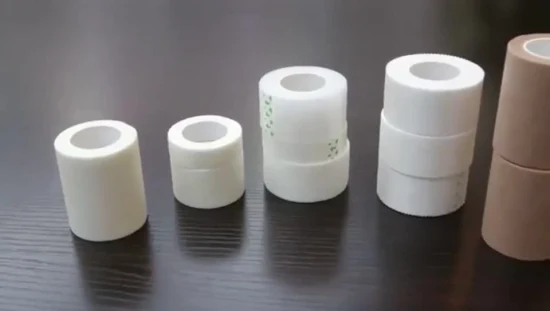
As the world continues to shift toward sustainability, the healthcare industry is stepping up with innovations that not only prioritize patient care but also protect the environment. One such innovation is microporous surgical tape, a medical essential that has gained attention for its eco-friendly composition and sustainable manufacturing practices. Designed for comfort, breathability, and safety, this type of tape serves an essential role in wound care, dressing fixation, and post-operative recovery—all while reducing environmental impact.
This blog delves into how microporous surgical tape aligns with the global movement toward greener healthcare solutions. We will explore its environmental benefits, the range of microporous Surgical Tape uses, factors affecting the microporous Surgical Tape price, and the significance of sustainable medical supplies like micropore tape 1 inch in the modern medical ecosystem.
It looks at how microporous medical tape is made, how it is used, and how it is thrown away to show how it impacts the environment. We are going to look at the pros and cons of making this important medical supply more eco-friendly. This includes problems with biodegradability and the eco-friendly goods that the company tries to make. Both patients and healthcare practitioners must be aware of the consequences of microporous surgical tape on the afflicted region. Health care will improve generally, and consumers will have more data with which to make educated purchases.
The Need for Sustainability in Medical Products
The healthcare sector is one of the largest contributors to non-biodegradable waste. From disposable plastics and synthetic dressings to single-use instruments, hospitals generate significant amounts of medical waste daily. This has prompted a shift toward sustainable practices—using products that are biodegradable, recyclable, and produced with minimal environmental impact.
Sustainability in healthcare doesn’t just mean recycling—it means rethinking the materials used in medical devices and supplies. Products like microporous surgical tape are at the forefront of this shift, offering both patient-friendly and environmentally responsible features.
The Composition of Microporous Surgical Tape
Microporous surgical tape is typically composed of a backing material, often made from polyethylene or polyurethane, and an adhesive layer. Being breathable means that air and wetness can pass through the backing material while still acting as a barrier. Most of the time, acrylic or silicone-based materials are used to make the adhesive layer. Even though these materials are great for medical uses, it’s not clear how quickly they break down. Most synthetic polymers used in microporous surgical tape are not readily biodegradable, potentially
contributing to long-term environmental pollution. Biodegradable alternatives are being looked at by some makers, but they often require more work and cost more.
What Is Microporous Surgical Tape?
Microporous surgical tape is a type of adhesive medical tape designed for sensitive skin. It is made with breathable, lightweight materials that allow air and moisture to pass through, reducing the risk of irritation and maceration. Its microporous structure promotes faster wound healing by maintaining an optimal environment around the dressing area.
In contrast to traditional adhesive tapes, which can trap moisture and damage skin upon removal, microporous versions are gentle, hypoallergenic, and skin-safe. The eco-friendly aspect comes from the choice of biodegradable materials and reduced use of synthetic compounds during production.
The Eco-Friendly Advantage of Microporous Surgical Tape
One of the major sustainability benefits of microporous surgical tape lies in its material composition. Many modern variants are manufactured using cellulose-based or nonwoven fibers that are biodegradable. These natural fibers break down more easily in the environment compared to synthetic alternatives like PVC or polyethylene.
Additionally, the production process often consumes less energy and water. Manufacturers increasingly prioritize low-emission production lines and recyclable packaging to reduce the carbon footprint of the product. This holistic approach—from material sourcing to end-of-life disposal—makes microporous tape a more sustainable choice for hospitals, clinics, and home healthcare providers.
The production of microporous surgical tape begins with the sourcing of raw
materials. Sustainable sourcing is becoming more important to forward-thinking companies that want to make their goods less harmful to the environment. The utilization of recycled materials, particularly for packaging components, should be prioritized whenever possible. Biodegradable adhesive and backing tape alternatives are also being explored by certain companies. For instance, research on plant-based polymers sourced from corn or sugarcane is underway as a possible alternative to plastics made from petroleum. There is a delicate balancing act between many environmental elements caused by the increased energy and resource requirements of these alternatives, despite their seeming promise.
Microporous Surgical Tape Uses in Healthcare
The microporous surgical tape spans across multiple areas of medical care, making it an indispensable item in every hospital or clinic.
1. Wound Dressing Fixation
One of the primary microporous surgical tape uses is to secure dressings over wounds. The tape adheres gently to the skin, ensuring the dressing stays in place without causing discomfort during removal. Its breathable structure allows air circulation, promoting faster wound healing.
2. Post-Surgical Applications
After surgeries, maintaining dressing integrity is crucial. Microporous tapes are widely used for securing surgical bandages due to their gentle adhesion and compatibility with sensitive post- operative skin.
3. IV Line and Tubing Support
In hospitals, microporous surgical tape is also used to secure intravenous lines, catheters, and tubing. Its hypoallergenic properties reduce the risk of irritation even with prolonged contact.
4. Medical Device Attachment
From ECG electrodes to cannula fixations, microporous tapes ensure stable device attachment without compromising patient comfort.
5. Home Care and First Aid
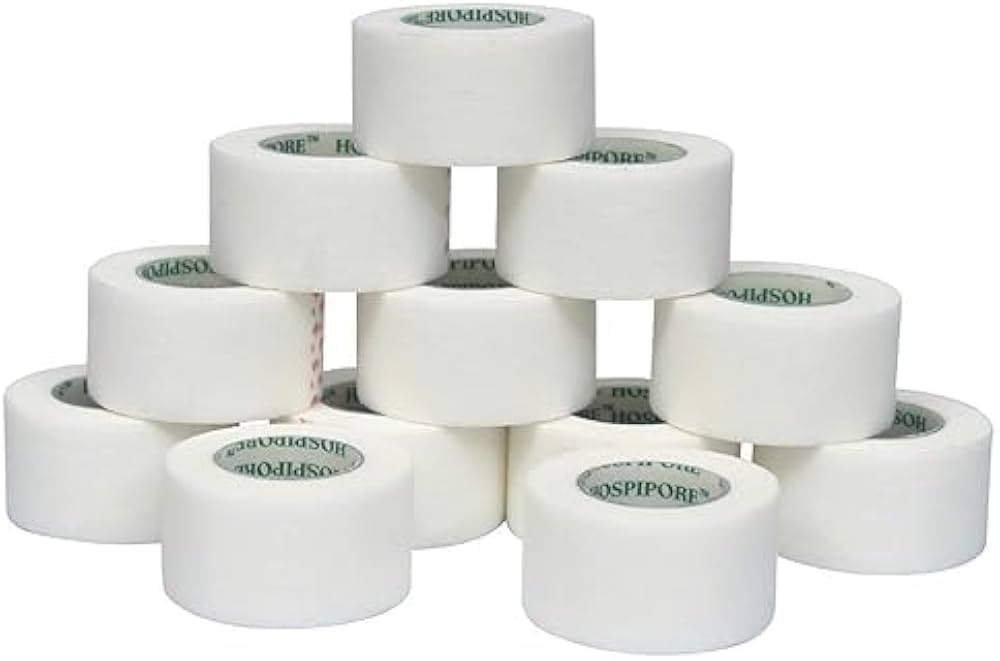
Outside hospital settings, Micropore Tape 1 inch is a popular choice for home care applications. It can be used for small wounds, minor cuts, and skin protection during dressing changes, offering professional-grade results in personal care.
How Microporous Surgical Tape Promotes Sustainability
Beyond material composition, sustainability in microporous surgical tape is achieved through several other measures:
1. Biodegradability
The cellulose-based or natural fiber materials used in microporous tapes are designed to decompose more easily, minimizing landfill waste.
2. Reduced Carbon Footprint
Manufacturers are increasingly using energy-efficient processes, reducing emissions associated with traditional plastic-based adhesive tape production.
3. Extended Shelf Life and Performance
Sustainable doesn’t mean less durable. These tapes are designed to perform effectively while
maintaining a longer shelf life, minimizing waste from expired or degraded materials.
4. Safe Disposal
Unlike synthetic adhesive tapes, which can release harmful chemicals upon disposal, biodegradable microporous tapes decompose safely without toxic residues.
Microporous Surgical Tape Price: What Influences It?
The Microporous Surgical Tape price varies depending on several key factors, including
brand reputation, material quality, and dimensions. Let’s explore these factors in detail.
1. Material Type
Eco-friendly materials like paper or natural fibers can slightly increase the Microporous Surgical Tape price compared to traditional plastic-based alternatives. However, the sustainability benefits often justify the investment.
2. Adhesive Quality
High-quality hypoallergenic adhesives that ensure firm yet gentle sticking power contribute to a higher cost but offer better patient comfort.
3. Tape Width and Length
Common sizes such as Micropore Tape 1 inch are usually affordable and suitable for general use. Wider or medical-grade rolls designed for surgical applications tend to cost more.
4. Brand and Certification
Trusted medical brands that adhere to international standards such as ISO or CE certification typically price their products slightly higher due to consistent quality and safety assurance.
Overall, while the microporous surgical tape price may vary, its value lies in its dual advantage—superior patient comfort and environmental responsibility.
Why Healthcare Institutions Prefer Microporous Surgical Tape
Hospitals, clinics, and healthcare professionals increasingly prefer microporous surgical tape for both medical performance and sustainability reasons. The combination of breathability, skin- friendliness, and biodegradability aligns with hospital goals to reduce waste and improve patient experience.
Moreover, the consistent performance of tapes like Micropore Tape 1 inch has made them a reliable choice for multi-purpose use. Many large healthcare networks now include eco-friendly tapes as part of their green procurement policies to support environmental initiatives without compromising medical quality.
Patient Benefits of Using Microporous Surgical Tape
While sustainability is a major factor, patient comfort remains at the heart of microporous surgical tape design.
- Gentle on Sensitive Skin: The hypoallergenic adhesive prevents rashes or redness, making it suitable for patients with allergies or fragile skin.
- Breathable and Comfortable: The microporous structure allows air exchange, minimizing sweating or irritation under the tape.
- Easy Removal: The tape can be removed without causing pain or pulling at skin or hair.
- Safe for Extended Use: It maintains adhesion over long periods without compromising skin health.
When combined, these benefits make Microporous Surgical Tape uses ideal for long-term medical applications, ensuring both safety and comfort.
Micropore Tape 1 Inch: A Popular Choice for Medical and Home Use
The Micropore Tape 1 inch size is particularly popular due to its versatility. It strikes the perfect balance between coverage and convenience, making it suitable for securing dressings, tubing, or light bandages.
Medical professionals often use this size for minor wound dressing or securing electrodes, while home users rely on it for everyday first aid. Its compact roll size and ease of application make it a must-have in both clinical and domestic medical kits.
Additionally, the Micropore Tape 1 inch variant is widely available, offering an affordable option without sacrificing quality or eco-friendliness
The Future of Eco-Friendly Medical Adhesives
As global awareness of sustainability grows, innovations in medical adhesives continue to evolve. Manufacturers are exploring biodegradable polymers, natural adhesives, and recyclable packaging to make products like microporous surgical tape even more environmentally sound.
The healthcare industry’s transition to eco-conscious materials also sets a positive precedent for other industries—demonstrating that sustainability and functionality can coexist.
How to Choose the Right Microporous Surgical Tape
When selecting a microporous surgical tape, several considerations can help ensure the right balance between quality, performance, and sustainability:
- Check for Biodegradable Materials: Opt for tapes made from cellulose or natural fibers.
- Review Adhesive Composition: Look for hypoallergenic and latex-free adhesives to minimize irritation.
- Evaluate Breathability: Ensure the tape allows adequate airflow to promote wound healing.
- Verify Brand Certifications: Trusted brands provide compliance details that guarantee medical-grade safety and eco-conscious production.
- Compare Sizes and Pricing: Choose based on the intended use—Micropore Tape 1 inch is ideal for most applications, while wider tapes are suited for surgical settings.
By choosing responsibly, medical practitioners and consumers can support sustainability while ensuring superior patient care.
The rise of microporous surgical tape in medical care reflects a broader shift toward sustainability in healthcare. Its biodegradable materials, skin-friendly design, and versatile Microporous surgical tape uses make it an essential, eco-conscious product for hospitals, clinics, and households alike.
While the microporous surgical tape price may vary slightly depending on brand and size, its long-term benefits—both for patient health and environmental impact—make it an invaluable choice. Products like Micropore Tape 1 inch prove that even small changes in medical supplies can create a meaningful difference in achieving greener healthcare solutions.
As the future of medicine leans toward environmental stewardship, innovations such as microporous surgical tape stand as a testament that sustainability and superior performance can coexist, redefining what it means to care—for both patients and the planet.