The transformation of soft, natural cotton from lush fields into pure, medical-grade absorbent cotton wool is an intricate and highly controlled process. This journey, from cultivation to clinical use, highlights the importance of quality control, technology, and ethical production practices in the healthcare industry. Behind every roll of cotton lies a chain of precision-driven operations managed by leading absorbent cotton wool manufacturers.
Among the many products in this sector, surgical cotton — also known as absorbent cotton — plays an essential role. It is used widely in hospitals, nursing homes, clinics, dispensaries, and households for medical and cosmetic purposes. Given this consistent demand, starting a Surgical Cotton Manufacturing business can be a profitable venture, especially for entrepreneurs seeking a recession-proof and scalable opportunity.
In 2025, the demand for hygienic and eco-friendly medical supplies continues to grow, making absorbent cotton wool an essential product for hospitals, clinics, and personal care. This blog delves deep into the journey of cotton—its harvesting, processing, bleaching, and packaging— while exploring the vital role of Absorbent cotton wool manufacturers in India, the growing global market, and what makes the Best absorbent cotton wool manufacturers stand out.
Understanding Absorbent Cotton Wool
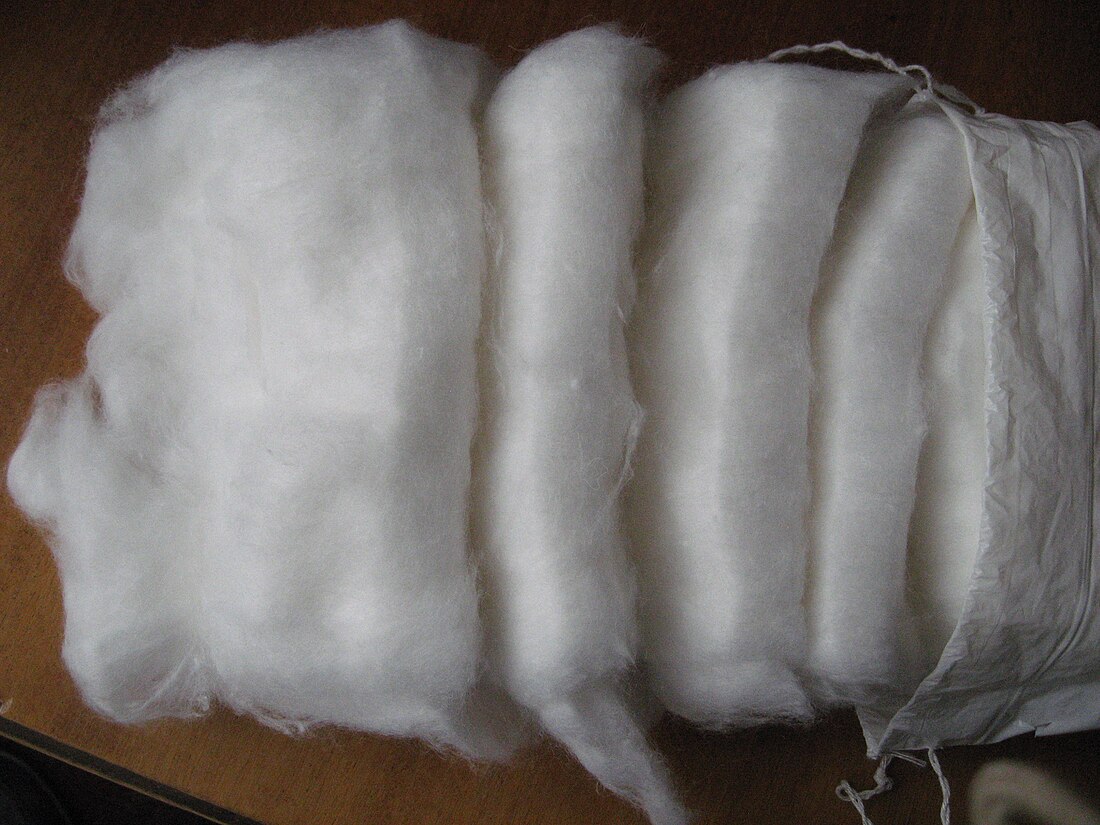
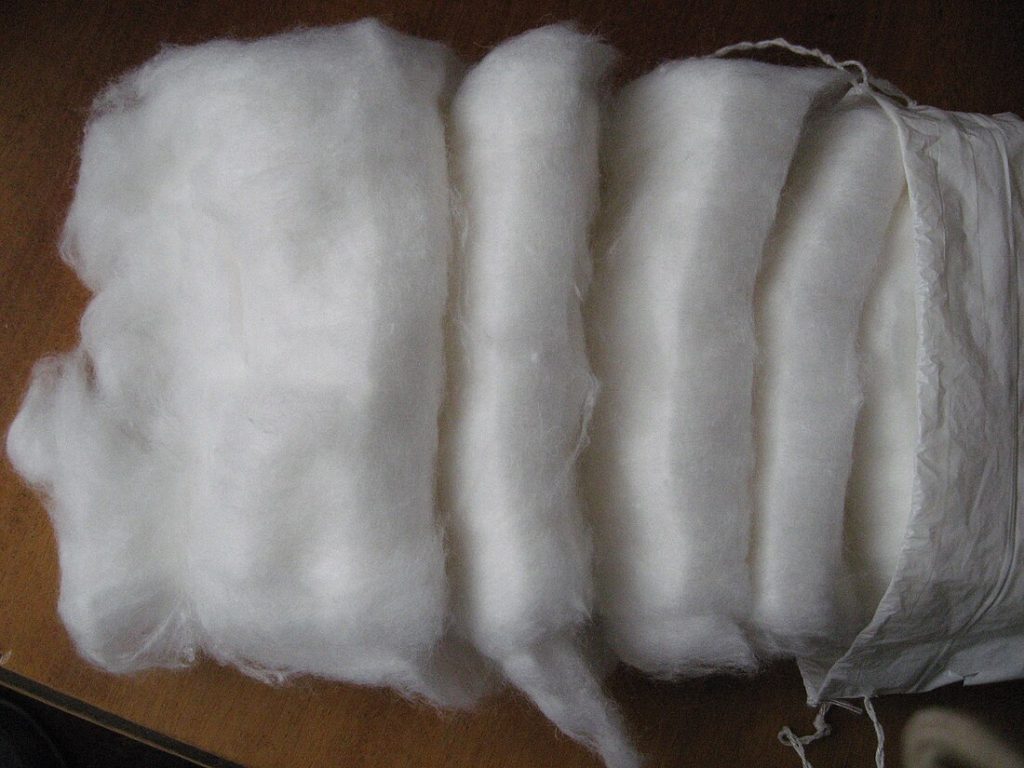
Absorbent cotton wool, commonly known as surgical cotton, is a purified form of natural cotton. It is designed to absorb fluids efficiently, making it ideal for medical, cosmetic, and household applications. The cotton undergoes a rigorous purification process that removes seeds, oils, and impurities, transforming raw fiber into soft, white, and white cotton wool.
Products like absorbent cotton wool 500g are used extensively in hospitals and pharmacies, serving purposes such as wound cleaning, dressing, and cosmetic care. Its ability to absorb and retain liquids without disintegration makes it indispensable in modern healthcare.
The Beginning: Cultivating Raw Cotton
The journey of absorbent cotton wool begins in the fertile fields where cotton is cultivated. Cotton plants thrive in warm climates, and India stands among the world’s leading producers, thanks to its favorable soil conditions and vast agricultural heritage.
Cotton cultivation involves planting high-quality seeds that produce fibers with optimal length and softness. The growth phase requires consistent irrigation, pest management, and natural fertilizers to ensure fiber quality. Sustainable farming practices are increasingly being adopted by absorbent cotton wool manufacturers in India, ensuring that raw cotton is grown with minimal environmental impact.
Step 1: Harvesting and Ginning: Once matured, the cotton is harvested—either manually or using mechanical harvesters. After harvesting, the cotton undergoes ginning, a process where fibers are separated from seeds. The ginning process ensures that only clean lint (fiber) is forwarded to the next stage of production. For absorbent cotton wool manufacturers, the purity of this raw lint is critical, as impurities can affect the final product’s texture, absorbency, and color. The ginned cotton is then baled and sent to the processing facilities for further refinement.
Step 2: Opening and Cleaning: At the manufacturing facility, the raw cotton is first opened and fluffed using specialized machinery. This step loosens tightly packed fibers and removes any remaining foreign particles such as leaves, husks, or small debris.
High-efficiency air suction and filtration systems are used to ensure a contaminant-free environment. The cleaned fibers at this stage still contain natural oils and waxes that hinder absorbency, necessitating further treatment.
Step 3: Scouring and Bleaching: The scouring process removes natural oils, waxes, and other organic substances from cotton fibers. This is typically done by boiling the cotton in an alkaline solution, which opens up the fiber structure and increases its ability to absorb liquids.
Once scoured, the cotton undergoes bleaching, which is a crucial step for absorbent cotton wool manufacturers. The bleaching process uses hydrogen peroxide or other safe oxidizing agents to whiten the fibers without compromising their softness.
Modern manufacturers use eco-friendly bleaching methods that minimize chemical waste and water consumption, aligning with global sustainability goals. This eco-conscious approach is a defining factor among the best absorbent cotton wool manufacturers today.
Step 4: Washing and Drying: After bleaching, the cotton is thoroughly washed with purified water to remove any residual chemicals. Multiple rinse cycles ensure that the cotton is completely neutralized and free from any alkaline traces that could cause skin irritation.
The cotton is then dried using temperature-controlled drying chambers that preserve its softness and prevent microbial contamination. Quality testing at this stage ensures uniform whiteness, odorlessness, and optimal absorbency.
Step 5: Carding and Layering: The dry cotton is then sent through carding machines, which comb the fibers to align them in parallel formation. This process also helps remove any remaining impurities and enhances the fiber’s softness.
Once carded, the cotton is layered into uniform sheets or rolls. The weight and density of these layers determine the packaging sizes—such as Absorbent Cotton Wool 500g, 100g, or 1kg rolls—depending on customer requirements.
Step 6: Rolling, Cutting, and Packaging
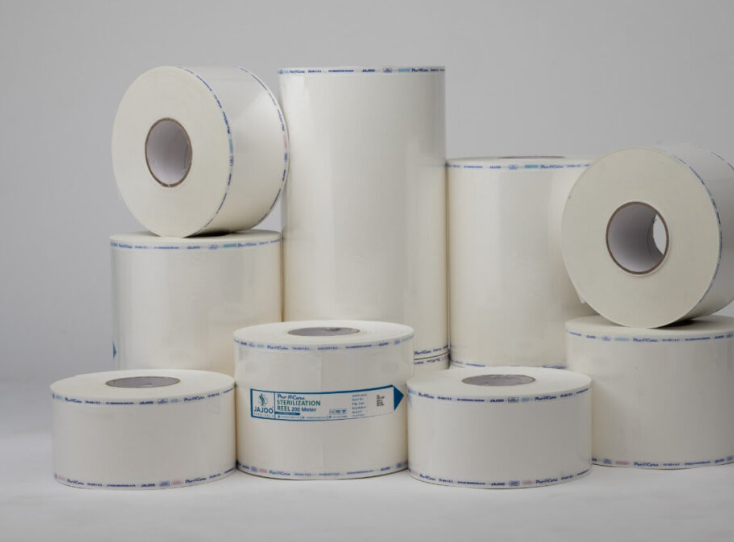
The cotton sheets are rolled or cut into the desired dimensions and tightly compressed to form easy-to-use rolls. The packaging stage is critical for maintaining sterility and hygiene. For medical-grade products, packaging is done in sterile, dust-free environments using automated systems that ensure minimal human contact. Rolls are often packed in moisture-proof and tamper-evident materials to preserve their purity.
Advanced Absorbent cotton wool manufacturers in India now use automated packaging lines equipped with sensors and vision systems to maintain consistency and traceability in every unit produced.
Quality Testing and Certification
Before distribution, every batch of absorbent cotton wool undergoes rigorous quality control testing. Manufacturers adhere to pharmacopeia standards such as IP (Indian Pharmacopoeia), BP (British Pharmacopoeia).
Tests typically include:
- Absorbency Time Test: Measures how quickly cotton absorbs a standard amount of liquid.
- pH Test: Ensures cotton is neutral and skin-safe.
- Whiteness and Purity Test: Assesses the degree of bleaching and absence of impurities.
- Weight and Fiber Consistency Test: Confirms uniform product density. Only after passing these stringent checks is the cotton approved for medical use and packaging as Absorbent Cotton Wool 500g or other formats.
The Role of Absorbent Cotton Wool Manufacturers in India
India has emerged as one of the leading global suppliers of absorbent cotton wool, thanks to its vast cotton cultivation base and advanced manufacturing infrastructure. Absorbent cotton wool manufacturersin India combine traditional expertise with modern technology to deliver products that meet international standards of hygiene, purity, and softness.
Indian manufacturers have established a strong presence not only in domestic healthcare systems but also in international markets such as Africa, the Middle East, and Europe. Their success can be attributed to:
- Sustainable raw material sourcing.
- Advanced bleaching and purification technologies.
- Affordable pricing for high-quality cotton rolls.
- Certifications like ISO, QMS, and CE.
Characteristics of the Best Absorbent Cotton Wool Manufacturers
The Best absorbent cotton wool manufacturers are distinguished by their adherence to safety, innovation, and sustainability. Some of the defining qualities include:
- Stringent Quality Control: Ensuring every roll meets medical-grade standards.
- Sustainable Production: Using eco-friendly chemicals and water-efficient bleaching systems.
- Advanced Equipment: Incorporating automated systems for precision and hygiene.
- Custom Packaging Options: Offering diverse weights like Absorbent Cotton Wool 500g, 100g, or jumbo rolls.
- Global Certifications: Compliance with pharmacopeia and ISO standards.
- Ethical Sourcing: Procuring raw cotton from responsible farms.
These manufacturers not only ensure superior product quality but also contribute to environmental and social sustainability within the healthcare industry.
Environmental Responsibility in Cotton Wool Production
As the world moves toward greener manufacturing, absorbent cotton wool manufacturers are increasingly adopting eco-conscious processes. From organic cotton sourcing to wastewater recycling, environmental responsibility is at the core of modern production facilities.
Leading manufacturers are replacing chlorine-based bleaching agents with hydrogen peroxide, which leaves minimal chemical residues and reduces ecological impact. Waste cotton is often recycled for non-medical applications, ensuring zero wastage.
This commitment to sustainability positions Absorbent cotton wool manufacturers in India as global leaders in eco-friendly healthcare supply production.
Packaging and Storage Considerations
After production, proper packaging and storage play a vital role in maintaining the sterility and quality of cotton wool. Rolls are sealed in protective films to prevent contamination and moisture absorption. Warehouses must maintain controlled humidity and temperature levels to avoid microbial growth. The packaging also includes batch details, expiry dates, and regulatory certifications to ensure traceability. Premium packaging ensures that products like Absorbent Cotton Wool 500g reach healthcare facilities in pristine condition, ready for safe use.
The Surgical Cotton Manufacturing process requires both skilled and unskilled workers. Skilled technicians are needed to operate and maintain machinery, manage chemical processes, and oversee quality control. You’ll also need general workers for manual tasks like loading, unloading, cleaning, and packing. Implementation of hygiene conditions can streamline operations.
The Future of Absorbent Cotton Wool Manufacturing
The future of absorbent cotton wool production is being shaped by technological advancements, automation, and sustainability initiatives. Smart sensors, AI-based quality control systems, and biodegradable packaging are redefining industry standards.
The future of absorbent cotton wool manufacturing is characterized by a growing demand driven by expanding healthcare, increased hygiene awareness, and its use in cosmetic procedures. Future trends will likely focus on technological advancements for greater efficiency, improved product quality through advanced processing, and a focus on specific market needs like sterility and high absorbency. Expansion opportunities exist both domestically and internationally, with potential for market growth in emerging regions.
In 2025 and beyond, Absorbent cotton wool manufacturers in India are focusing on:
- Automation: To increase precision and reduce human error.
- Digital Traceability: Tracking each roll from raw cotton to distribution.
- Sustainability: Achieving carbon-neutral manufacturing facilities.
- Product Diversification: Expanding into cosmetic, baby care, and home-care segments.
These innovations ensure continuous improvement and reinforce the role of Indian manufacturers as global pioneers in medical cotton solutions.
The journey of cotton—from the sun-soaked fields to sterile medical facilities—is a testament to the dedication and expertise of absorbent cotton wool manufacturers. Through meticulous processes like cleaning, bleaching, and carding, natural cotton is transformed into pure, safe, and absorbent wool that supports healthcare around the world.
With companies like absorbent cotton wool manufacturers in India leading the way, the industry is evolving toward higher efficiency, sustainability, and innovation. Products like Absorbent Cotton Wool 500g symbolize not just quality but also the harmony between nature, science, and care.
In essence, the best absorbent cotton wool manufacturers are not just producing a medical commodity—they are upholding a tradition of purity, healing, and environmental stewardship that defines the very fabric of modern healthcare.
Jajoo Surgical stands at the forefront of absorbent cotton wool manufacturing, delivering premium, hygienic, and pharmacopeia-certified cotton products for healthcare institutions worldwide. With advanced technology, strict quality control, and sustainable practices, Jajoo Surgical ensures unmatched purity, reliability, and performance in every roll of medical-grade cotton.