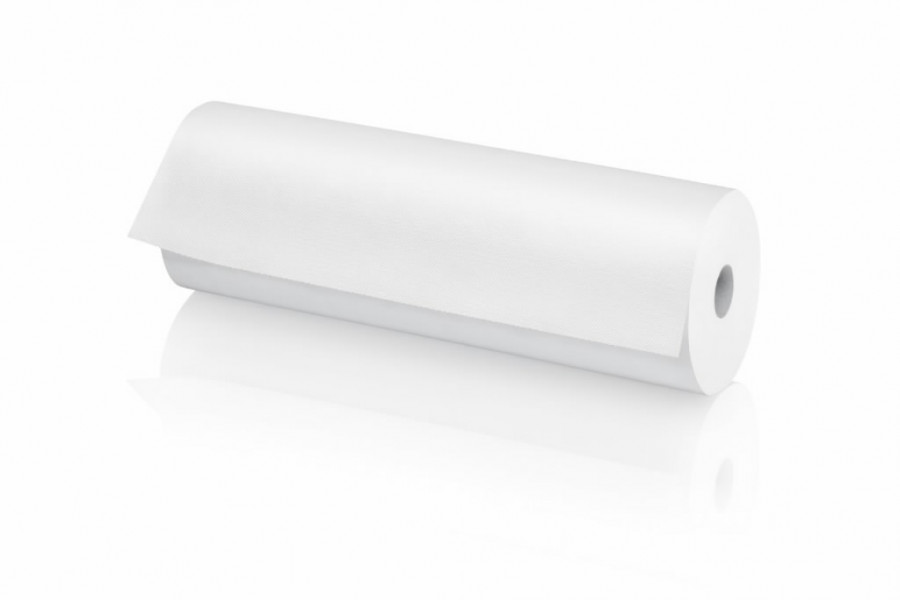
In modern healthcare and laboratory environments, sterilization rolls play a crucial role in maintaining hygiene, safety, and infection control. These rolls are essential for packaging medical instruments, ensuring that they remain sterile until use. However, the effectiveness of sterilization largely depends on proper maintenance, handling, and troubleshooting practices. Advancements in material science, manufacturing standards, and technology have made sterilization rolls more efficient, but they still require care and technical awareness to deliver optimal results.
The delivery of sterile products for use in patient care depends not only on the effectiveness of the sterilization process but also on the unit design, decontamination, disassembling and packaging of the device, loading the sterilizer, monitoring, sterilant quality and quantity, and the appropriateness of the cycle for the load contents, and other aspects of device reprocessing.
Healthcare personnel should perform most cleaning, disinfecting, and sterilizing of patient-care supplies in a central processing department in order to more easily control quality.
This blog explores the best practices, maintenance methods, and troubleshooting tips for sterilization rolls, with insights on key products such as sterilization roll 75mm, details on Sterilization roll uses, and the role of sterilization roll manufacturers in India in setting global quality benchmarks.
Understanding Sterilization Rolls in Modern Healthcare
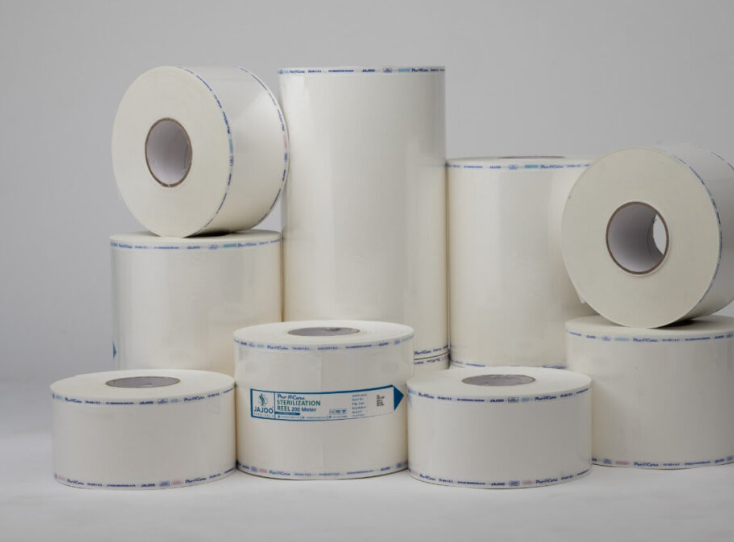
Sterilization rolls are high-quality packaging materials used to enclose medical devices and surgical instruments before sterilization. They are made of medical-grade paper and film, designed to allow sterilizing agents like steam, ethylene oxide, or plasma to penetrate while maintaining a barrier to bacteria and contaminants.
The rolls are commonly used in hospitals, dental clinics, laboratories, and veterinary facilities. Once sealed and sterilized, the rolls maintain the sterility of the enclosed instruments until they are opened in a sterile environment.
Different sizes of rolls, including sterilization roll 75mm, are available to meet diverse packaging needs—from small surgical tools to large sets of instruments.
The sterilization procedure should be monitored routinely by using a combination of mechanical, chemical, and biological indicators to evaluate the sterilizing conditions and indirectly the microbiologic status of the processed items. The mechanical monitors for steam sterilization include the daily assessment of cycle time and temperature by examining the temperature record chart (or computer printout) and an assessment of pressure via the pressure gauge.
The mechanical monitors for ETO include time, temperature, and pressure recorders that provide data via computer printouts, gauges, and/or displays.
Generally, two essential elements for ETO sterilization (i.e., the gas concentration and humidity) cannot be monitored in healthcare ETO sterilizers.
Key Features of Sterilization Rolls
To ensure reliability and performance, sterilization rolls are designed with several critical features:
- High-Grade Medical Paper – Ensures durability and resistance to tearing during sterilization cycles.
- Transparent Film – Allows visibility of instruments for easy identification.
- Indicator Strip – Changes color after sterilization, providing clear proof of process completion.
- Compatibility – Works with a variety of sterilization systems, including steam autoclaves and ethylene oxide machines.
- Hermetic Sealing – Ensures no microbial penetration after sterilization.
Importance of Proper Maintenance
Maintenance of sterilization rolls is often overlooked but is vital for ensuring consistent sterilization results. Improper storage or handling can compromise the material integrity, leading to failed sterilization or contamination.
Here are some essential maintenance:
- Storage Environment – Keep rolls in a clean, dry, and temperature-controlled space. Avoid exposure to sunlight and humidity, which can degrade the film and paper layers.
- Proper Sealing Equipment – Use an efficient Sterilization roll Sealing Machine to achieve consistent and airtight seals.
- Regular Equipment Calibration – Ensure the sealing machines and sterilizers are calibrated periodically to maintain performance accuracy.
- Visual Inspection – Before sealing, inspect the sterilization rolls for tears, punctures, or uneven edges.
- FIFO Method (First In, First Out) – Use older stock first to prevent degradation over time.
Maintaining sterilization rolls according to these best practices helps preserve their effectiveness and reduces operational risks.
Common Sterilization Roll Uses
The sterilization roll uses vary across different medical and industrial sectors. Below are the most common applications:
- Hospital Sterilization Units – Packaging surgical instruments, syringes, and diagnostic tools.
- Dental Clinics – Enclosing small dental instruments like scalers and mirrors for safe reuse.
- Laboratories – Sterilizing glassware and small laboratory apparatus.
- Veterinary Clinics – Ensuring sterile handling of surgical and examination instruments.
- Pharmaceutical Facilities – Maintaining aseptic packaging for controlled environments.
The versatility of sterilization rolls makes them indispensable for maintaining cleanliness and safety standards in all healthcare settings.
The Role of Sterilization Roll Manufacturers in India
India has become a major hub for producing high-quality sterilization materials. Sterilization roll manufacturers in India are now competing globally by offering cost-effective and reliable solutions. These manufacturers focus on precision engineering, advanced quality control, and eco-friendly materials that meet international sterilization standards.
Key trends among Indian manufacturers include:
- Enhanced Indicator Inks – Developing heat and chemical indicators with higher accuracy and visibility.
- Custom Sizes and Rolls – Offering customizable options such as Sterilization roll 75mm, 100mm, or 200mm to cater to specific medical needs.
- Global Exports – Expanding distribution networks to Europe, Asia-Pacific, and the Middle East.
By embracing technological innovation, Indian manufacturers are setting benchmarks in quality, reliability, and cost-efficiency.
Choosing the Right Sterilization Roll Size
Selecting the right sterilization pouch roll size is essential for ensuring efficient sterilization and minimizing material wastage.
For instance, the sterilization roll 75mm is ideal for smaller instruments or single-use medical tools, whereas larger rolls like 150mm or 200mm are suitable for complex surgical sets. The correct size ensures proper sealing and uniform sterilization, preventing air pockets or incomplete sterilization cycles.
When determining roll size, consider:
- Instrument dimensions and shapes.
- Type of sterilization process (steam, plasma, or gas).
- Sealing machine specifications.
Using the optimal sterilization pouch roll size guarantees efficiency and safety throughout the sterilization process.
How to Maintain Sterilization Roll Sealing Machines
The sterilization roll sealing machine is integral to ensuring tight and contamination-free seals. Without proper maintenance, sealing defects such as weak bonds, air leaks, or temperature inconsistencies can occur.
Here are the best practices for machine maintenance:
- Daily Cleaning – Wipe down sealing surfaces with non-abrasive disinfectants after each shift.
- Temperature Calibration – Verify heat settings weekly to ensure consistent sealing pressure.
- Roller Alignment Check – Misaligned rollers can lead to uneven seals. Inspect regularly for balance.
- Replace Worn Parts – Heating elements and pressure plates should be replaced as per manufacturer guidelines.
- Lubrication – Keep mechanical components well-lubricated to reduce friction and prevent wear.
Proper maintenance ensures that the sealing machine works efficiently, minimizing packaging defects and maintaining sterility.
Troubleshooting Common Problems
Even with proper maintenance, issues can arise during sterilization packaging. Recognizing and resolving them quickly ensures uninterrupted operations.
Common problems and solutions include:
- Incomplete Sealing – Caused by low temperature or pressure. Recalibrate the
Sterilization roll Sealing Machine and ensure even pressure application.
- Wrinkled Edges – Often due to excessive heat or incorrect feeding speed. Adjust the roller tension accordingly.
- Seal Separation Post-Sterilization – Indicates overexposure to sterilizing agents or poor-quality rolls. Use high-quality rolls from reputed sterilization roll manufacturers in India.
- Uneven Indicator Color Change – Suggests inconsistent sterilization conditions. Verify temperature, humidity, and exposure times.
- Punctured Packaging – May occur from mishandling or improper loading. Handle rolls carefully and ensure correct tray placement.
Having a standardized troubleshooting protocol ensures quick recovery and minimal downtime in sterilization departments.
Global Standards and Compliance
Compliance with updated global sterilization standards is vital. Organizations like ISO, EN, and ASTM define strict quality and safety benchmarks for sterilization rolls and related packaging.
Some of the essential standards include:
- ISO 11607 – Governs packaging materials for terminally sterilized medical devices.
- EN 868 – Covers sterilization paper and film characteristics.
- ASTM F88/F1929 – Defines seal strength and integrity testing methods.
The Future of Sterilization Roll Technology
Looking ahead, sterilization rolls are evolving with the integration of smart materials and sustainability practices. Future trends include:
- Eco-Friendly Films – Biodegradable film layers replacing traditional plastic-based ones.
- High-Temperature Resistant Materials – New composite materials capable of withstanding extreme sterilization environments.
- AI-Enabled Sealing Systems – Intelligent sealing machines with sensors that detect seal quality in real time.
These innovations will make sterilization processes more efficient, traceable, and environmentally responsible.
Understanding Sterilization Flat Roll HS Code
The Sterilization flat roll HS code is used for the classification of sterilization packaging products in international trade. It helps identify products for import/export documentation and customs duties.
Typically, the HS code for sterilization packaging products falls under “Medical packaging materials for sterilization,” ensuring they meet health and safety compliance across borders. Understanding the Sterilization flat roll code is crucial for manufacturers, distributors, and importers to manage logistics efficiently.
Understanding Indicator Results and Safety Margins in Steam Sterilization
The factors that should be considered include the chemical indicator result (e.g., nonreactive chemical indicator may indicate temperature not achieved); the results of other biological indicators that followed the positive biological indicator (e.g., positive on Tuesday, negative on Wednesday); the parameters of the sterilizer associated with the positive biological indicator (e.g., reduced time at correct temperature); the time-temperature chart (or printout); and the microbial load associated with decontaminated surgical instruments (e.g., 85% of decontaminated surgical instruments have less than 100 CFU). The margin of safety in steam sterilization is sufficiently large that there is minimal infection risk associated with items in a load that show spore growth, especially if the item was properly cleaned and the temperature was achieved (e.g., as shown by acceptable chemical indicator or temperature chart).
The reliability of sterilization rolls directly impacts patient safety and infection control standards. with advanced materials, sustainable manufacturing, and improved sealing systems, healthcare institutions have the tools to ensure maximum efficiency in sterilization.
By focusing on proper maintenance, understanding sterilization roll uses, and following best practices, healthcare professionals can ensure that each instrument remains sterile and safe until use.
Additionally, the efforts of sterilization roll manufacturers in India and adherence to international standards are making India a leader in high-quality sterilization products worldwide.
In essence, effective sterilization roll maintenance is not just about equipment care—it’s about
upholding the integrity of healthcare systems, ensuring safety, and protecting lives.
Periodic infection control rounds to areas using sterilizers to standardize the sterilizer’s use may identify correctable variances in operator competence; documentation of sterilization records, including chemical and biological indicator test results; sterilizer maintenance and wrapping; and load numbering of packs. These rounds also may identify improvement activities to ensure that operators are adhering to established standards.