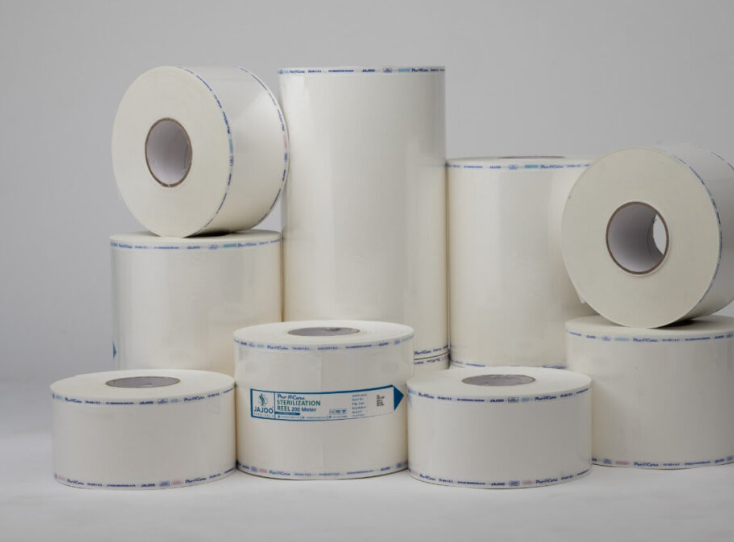

In the world of veterinary medicine, maintaining hygiene and preventing cross-contamination are paramount. Whether treating small pets or performing large-animal surgeries, sterilization of instruments and tools is a critical part of every veterinary procedure. One essential component of this process is the use of sterilization rolls, which ensure that medical instruments remain contamination-free until the time of use.
Sterilization rolls, or reels, are a crucial component in maintaining asepsis in veterinary practices by providing a reliable barrier against microbial contamination after instruments have been sterilized. Key considerations and best practices ensure efficacy and patient safety.
The adoption of high-quality sterilization rolls has significantly enhanced the efficiency and safety of veterinary sterilization practices. These rolls, often paired with sterilization pouch roll sealing machine, help maintain the sterility of instruments after autoclaving or other sterilization methods. However, their proper use requires an understanding of factors like material composition, sealing integrity, sterilization pouch roll size, and the appropriate sterilization technique.
This blog explores the key considerations and best practices for using sterilization rolls in veterinary clinics and hospitals, ensuring optimal hygiene standards and effective infection control.
The Importance of Sterilization in Veterinary Care
Veterinary clinics, like human healthcare facilities, deal with various pathogens daily. From surgical procedures to dental cleanings, instruments come into contact with blood, tissue, and microorganisms that can cause infections. Without proper sterilization, the risk of spreading diseases among animals—or even to humans—rises significantly.
Every veterinary surgery promises to heal, protect, and give animals their best chance at recovery. Yet behind every successful operation lies sterile, well-maintained surgical equipment. A single lapse can jeopardize not only a patient’s life, but also the integrity and reputation of one’s practice. There’s simply no room for error. Whether its leading a busy surgical suite, understanding and mastering these protocols is crucial.
Proper sterilization eliminates all microorganisms, including bacteria, viruses, fungi, and spores. Veterinary professionals must learn how to sterilize properly because it is essential for the safety of their patients and the success of their surgeries. There are two basic ways of sterilization: autoclaving and chemical sterilization.
A well-designed and correctly used sterilization pouch allows for effective sterilization, safe handling, and storage of all pouched items until needed for use. In addition to protecting items through this process, they also facilitate proper aseptic presentation of devices in an operating room. Much like the instruments they protect, sterilization pouches used in hospitals are also medical devices.
Sterilization rolls and pouches act as a barrier system that preserves the sterility of instruments after they have been processed in an autoclave or sterilizer. They allow steam, gas, or heat to penetrate during sterilization while maintaining a sealed, bacteria-proof environment once the process is complete.
This ensures that every instrument used in procedures, from scalpels to forceps, remains safe and ready for use—contributing to the overall hygiene, safety, and professionalism of the veterinary facility.
What Are Sterilization Rolls?
Sterilization rolls are specially designed packaging materials used for enclosing medical and veterinary instruments during sterilization. They are typically made of two layers:
- Medical-grade paper – which allows the sterilization agent (such as steam or gas) to pass through.
- Transparent multilayer film – which provides a visual window to inspect instruments and acts as a microbial barrier after sterilization.
These rolls can be cut and sealed according to the desired sterilization pouch roll size, allowing flexibility in packaging instruments of different shapes and lengths. Veterinary professionals often prefer this system because it reduces waste and allows for customized, secure packaging.
Types of Sterilization Rolls Used in Veterinary Settings
Veterinary clinics may use different types of sterilization rolls, depending on the sterilization method and type of instruments:
1. Steam Sterilization Rolls
Designed for use in autoclaves, these rolls can withstand high temperatures and pressures. The materials allow steam to penetrate effectively, ensuring thorough sterilization.
2. EO Gas Sterilization Rolls
These are suitable for heat-sensitive instruments that cannot endure the high temperatures of steam sterilization. They are gas-permeable but airtight after sealing, preventing contamination post-sterilization.
3. Plasma Sterilization Rolls
Used for low-temperature plasma sterilization processes, these rolls are made from special composite films that allow hydrogen peroxide vapor to pass through.
Each type of sterilization roll ensures effective sterilization while maintaining packaging integrity and protecting instruments from microbial contamination.
Understanding Sterilization Pouch Roll Size
Selecting the right sterilization pouch roll size is one of the most crucial factors in ensuring effective sterilization. An incorrect size can compromise both sterilization quality and seal integrity.
Here are key considerations when selecting the appropriate Sterilization Pouch Roll Size:
- Instrument Dimensions: Always choose a pouch that provides at least 2–3 cm of space around the instrument for proper sterilant circulation.
- Sealing Margin: Ensure extra space for a secure seal created using a Sterilization roll Sealing Machine.
- Avoid Overpacking: Overfilling the pouch restricts steam or gas flow, leading to incomplete sterilization.
- Efficiency: Larger pouches may waste material, while smaller ones may tear under pressure—balance size and practicality.
Veterinary clinics often stock multiple roll sizes to accommodate a range of instruments, from small dental tools to large surgical sets.
Steps for Using Sterilization Rolls in Veterinary Practice
To maximize the benefits of sterilization rolls, veterinary staff should follow a standardized packaging and sterilization process.
1. Cleaning and Drying Instruments
All instruments must be thoroughly cleaned, dried, and inspected before packaging. Residual organic matter can interfere with sterilization efficacy.
2. Selecting the Right Roll and Size
Choose an appropriate Sterilization Pouch Roll Size based on the instrument dimensions. Leave sufficient space for sealing and air circulation.
3. Packaging Instruments
Place the instruments inside the roll and cut to the desired length. Seal one end using a Sterilization roll Sealing Machine before inserting the cleaned tools.
4. Final Sealing and Labeling
After inserting the instruments, seal the other end securely. Label each pouch with the sterilization date, load number, and contents for easy tracking.
5. Sterilization Process
Load the packaged instruments into the sterilizer. Ensure correct placement to allow steam or gas to circulate freely.
6. Storage and Handling
After sterilization, store the pouches in a clean, dry, and dust-free area. Avoid bending or tearing the sealed edges to maintain sterility.
By following these steps, veterinary staff can ensure maximum protection and compliance with sterilization standards.
Common Mistakes to Avoid
Even with high-quality sterilization rolls, improper handling can compromise results. Here are common errors and how to avoid them:
- Overfilling the Pouch: This prevents proper air evacuation and steam penetration.
- Inadequate Sealing: Weak seals can lead to contamination; always verify the seal’s integrity.
- Incorrect Temperature Settings: Using the wrong settings on the Sterilization roll Sealing Machine can cause seal failure or damage to the pouch.
- Reusing Rolls: Sterilization rolls are designed for single use only; reusing them increases contamination risk.
- Storage Near Moisture: Keep sterilized pouches away from humid areas to preserve sterility.
Avoiding these mistakes helps veterinary facilities maintain high sterilization standards and patient safety.
Quality Considerations When Choosing Sterilization Rolls
Selecting the right sterilization rolls is vital for ensuring consistent sterilization outcomes. Below are factors to consider when purchasing rolls for veterinary use:
1. Material Strength
The paper and film layers should resist tearing, especially under autoclave conditions.
2. Indicator Accuracy
Many rolls come with chemical indicators that change color upon exposure to the sterilization process—verify that these indicators meet ISO standards.
3. Transparency
A clear film allows for easy visual inspection of the contents, reducing the need for unsealing and re-sterilizing.
4. Compatibility with Machines
Ensure that the rolls are compatible with the clinic’s Sterilization roll Sealing Machine for proper sealing and processing.
5. Sterilization Method Suitability
Different rolls are designed for specific sterilization methods (steam, EO gas, plasma). Match the roll type with the sterilizer in use.
6. Shelf Life
High-quality sterilization rolls can maintain sterility for up to six months when stored properly.
Best Practices for Veterinary Clinics
Veterinary professionals can adopt several best practices to optimize their sterilization workflows:
- Implement Standard Operating Procedures (SOPs): Ensure every team member follows consistent sterilization protocols.
- Regular Training: Staff should be trained in packaging, sealing, and sterilization validation processes.
- Routine Monitoring: Use both chemical and biological indicators to verify sterilization success.
- Maintenance of Equipment: Regularly service autoclaves and Sterilization roll Sealing Machines to maintain performance.
- Proper Storage: Keep sterilized instruments in temperature-controlled, dry areas away from direct sunlight.
- Inventory Rotation: Follow the “first in, first out” rule to use older sterilized packs before newer ones.
These best practices not only ensure compliance with veterinary hygiene standards but also build client trust by demonstrating commitment to animal safety and welfare.
Advantages of Using Sterilization Rolls in Veterinary Facilities
Adopting sterilization rolls in veterinary settings offers numerous benefits:
- Customizable Packaging: Flexible lengths and adjustable Sterilization Pouch Roll Size options accommodate a variety of instruments.
- Enhanced Visibility: The transparent film side allows visual confirmation of the contents.
- Secure Seal Integrity: When sealed using a Sterilization roll Sealing Machine, rolls provide airtight protection.
- Cost Efficiency: Rolls reduce packaging waste compared to pre-made pouches.
- Compatibility: Suitable for different sterilization processes, including steam and EO gas.
- Reduced Contamination Risk: Maintains sterility from autoclave to surgical use.
These advantages make sterilization rolls a practical, safe, and cost-effective choice for veterinary professionals worldwide.
The Future of Veterinary Sterilization Packaging
As veterinary care becomes increasingly sophisticated, packaging technology continues to evolve. Future innovations in sterilization rolls may include:
- Smart Indicators: Rolls embedded with digital sensors to track sterilization status.
- Eco-Friendly Materials: Biodegradable paper and film layers that reduce environmental impact.
- Automated Sealing Systems: Integration of smart Sterilization roll Sealing Machine with auto-adjust features for precision.
- Enhanced Microbial Barriers: Advanced polymer coatings that extend sterility duration.
Sterility is the backbone of any successful veterinary procedure. Using sterilization rolls ensures that instruments remain clean, safe, and ready for use—protecting both animal and human health. By selecting the right Sterilization Pouch Roll Size, and following best practices, veterinary clinics can maintain the highest standards of infection control.
From small-scale clinics to specialized animal hospitals, the consistent use of sterilization rolls has transformed how veterinary professionals approach cleanliness and patient care. As technology continues to advance, these essential tools will play an even more critical role in supporting efficient, sustainable, and safe veterinary operations.
Jajoo Surgical delivers premium-quality sterilization rolls designed for veterinary clinics and hospitals that prioritize safety and hygiene. With durable materials, strong sealing performance, and ISO-certified manufacturing standards, Jajoo Surgical ensures reliable sterilization outcomes, helping veterinary professionals maintain superior infection control and patient care.