When you’re handling wounds, the type of gauze you use matters more than you think.
Reaching for the wrong one could lead to infection, delayed healing, or worse.
So what is sterile gauze, and how is it different from non-sterile gauze pads? Let’s break it
down simply and clearly, so you can make the right call every time.
The main difference between sterile and non-sterile gauze pads lies in their level of cleanliness and the intended use. Sterile gauze is free from microorganisms and is used in medical settings to prevent infection, while non-sterile gauze can contain bacteria and is used for less critical applications like dressing minor wounds.
What Is sterile gauze?
Sterile gauze is designed to be completely free of bacteria and other microorganisms.
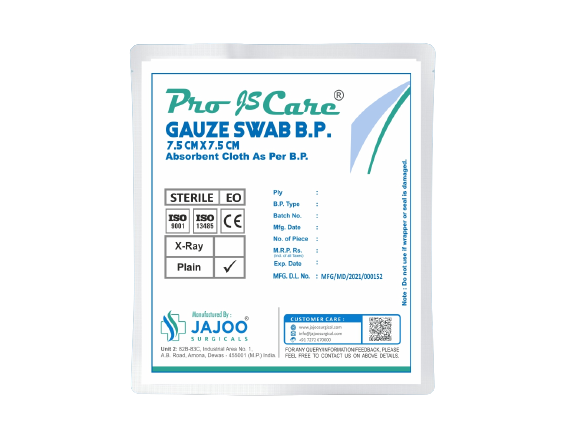
It goes through a strict sterilisation process and comes sealed in individual, airtight packaging.
Sterile gauze is a thin, loosely woven fabric, typically made of cotton, that has been sterilized to prevent infection. It’s used for wound care, cleaning, and other medical procedures where a clean surface is needed. Sterile gauze is essential for first aid and medical practices to minimize the risk of contamination.
This makes it ideal for:
- Covering open wounds or surgical incisions
- Dressing burns or ulcers
- Post-operative care
Moreover, sterile gauze pads help prevent infection and support faster, safer healing.
At Jajoo Surgical, we produce sterile gauze that meets international healthcare standards— like our trusted Gauze Than Rolls, used in hospitals and clinics nationwide.
What Does Non-Sterile Mean?
“Non-sterile” means not free from living organisms and microorganisms, also known as dirt or bacteria. It implies that a product or area is not completely clean and has not undergone a sterilization process to eliminate harmful microbes.
Non-sterile gauze is manufactured in clean conditions but hasn’t been sterilized. It’s not
intended for use on open wounds or in surgical environments.
Instead, you’ll want to use non-sterile gauze for:
- Cleaning around a wound without direct contact
- Applying ointments to unbroken skin
- Padding beneath bandages or medical tape
Because it isn’t individually sealed, non-sterile gauze is more affordable and often sold in bulk.
Just remember, it’s clean, not sterile.
Why the Right Gauze Choice Matters
Sterility isn’t just a medical term, it’s a frontline defense against infection.
According to the World Health Organization, surgical site infections account for up to 30% of post-surgical complications, many of which are avoidable with proper wound care materials.
Choosing the right type of gauze is crucial for effective wound care because it directly impacts healing, reduces infection risk, and minimizes complications. The type of gauze used should be tailored to the specific wound, considering factors like size, depth, and type of injury.
Using sterile gauze in the right situations:
- Keeps the wound environment clean
- Minimizes bacterial exposure
- Improves healing time
Using non-sterile gauze where sterile is needed? That could increase the risk of infection, slow recovery, or lead to complications.
How to Choose Between Sterile and Non-Sterile Gauze Pads
Here’s a quick checklist to help guide your decision:
To choose between sterile and non-sterile gauze pads, consider the nature of the wound and the risk of infection. Sterile gauze is essential for open wounds, surgical sites, and situations where infection risk is high. Non-sterile gauze is suitable for minor cuts, abrasions, or closed wounds where infection risk is minimal.
Is the skin broken?
Go with sterile gauze.
Is this for surgical recovery or open wounds?
lStick to sterile gauze only.
Are you just cleaning or padding around a wound?
Non-sterile gauze works well and saves cost.
Are you working in a medical setting?
Sterile gauze is usually mandatory.
If in doubt, choose sterile gauze to stay on the safe side.
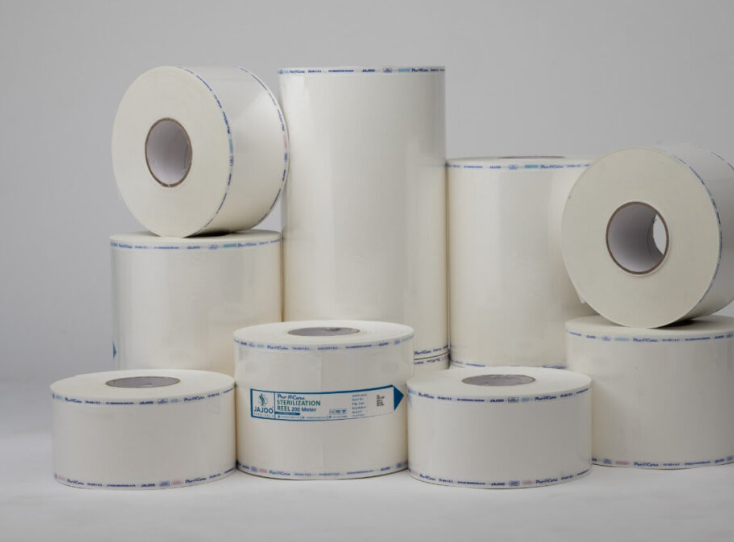
You can also explore storage-friendly Sterilisation Rolls for organized and hygienic inventory management.
Common Mistakes to Avoid
Many people assume any clean gauze is safe for all uses. That’s risky. Here’s what not to do:
When selecting gauze pads, a common mistake is using non-sterile gauze on open wounds, which can lead to infection and slow healing. Another mistake is neglecting to consider the specific needs of the application, such as the size, shape, absorbency, and material required. Finally, failing to check for proper packaging and expiration dates can also be problematic, compromising the gauze’s effectiveness and sterility.
- Don’t use non-sterile gauze on open cuts or post-surgery wounds
- Don’t reuse gauze pads, even if they “look” clean
- Don’t ignore expiration dates on sterile gauze
Following basic hygiene rules when using gauze pads can dramatically reduce infection risk.
Key Gauze Stats That Matter
- Using sterile gauze reduces infection risks by up to 40% in post-op care
- 80% of everyday first-aid needs can be met with non-sterile gauze
- sterile gauze is individually sealed and lab-tested for microbial presence
These small details make a big impact, especially in professional care settings.
Key gauze stats to consider include its absorbency, type (woven or non-woven), ply (number of layers), and whether it’s sterile or non-sterile. Gauze is used for wound care, absorption, and protection.
FAQs About Sterile and Non-sterile gauze
Can I use non-sterile gauze on an open wound?
No. It can lead to infection and should be avoided.
What’s the best way to identify sterile gauze?
Look for sealed individual packaging with clear sterilization labeling.
Can sterile gauze be reused if it looks clean?
Never. sterile gauze is single-use to prevent contamination.
Does sterile gauze have an expiry date?
Yes. Always check the package before using.
Where can I get medical-grade gauze pads online?
Visit Jajoo Surgical’s Gauze Collection for certified options.
Make the Right Choice Today
Don’t leave wound care to chance. Choosing between sterile gauze and non-sterile gauze
pads is about more than preference, it’s about safety.
For open wounds, surgeries, or burns, use sterile gauze pads. For general cleaning or skin protection, non-sterile gauze does the job
- Browse our full range of Gauze Products
- Stock up on hospital-grade supplies from a trusted name in surgical care
Need help picking the right product? Our team is here to help. Contact us for tailored guidance.